
Pain Faces Scale Printable
Pain Faces Scale Printable - Face 0 is very happy because he or. Some studies show african americans and asians. 1 = hurts just a little bit. Adults and children (> 3 years old) in all patient care settings. It was adapted from the faces pain scale to make it possible to. Web ask the person to choose the face that best describes how he is feeling.
Adults and children (> 3 years old) in all patient care settings. This rating scale is recommended for children ages 3 and older. It is generally accepted that the. 2 = hurts a little more. Face 0 is very happy because he or.

So what is pain anyway? « My Weird And Wacky Life
Web instructions for faces pain rating scale. 1 = hurts just a little bit. Face 0 is very happy because he or. Rating scale is recommended for persons age 3 years and older. 2 = hurts a little more.

Face Pain Scale Printable
The scale shows a series of faces ranging from a happy face. Web ask the person to choose the face that best describes how he is feeling. Adults and children (> 3 years old) in all patient care settings. Web the faces scale is widely used with people ages three and older, not limited to children. Rating scale is recommended.

5 problems with employee engagement surveys LearnGeek
Web instructions for faces pain rating scale. 0=very happy, no hurt 1= hurts just a little bit 2=hurts a little more 3=hurts even more 4=hurts a whole. Face 3 hurts even more. 3 = hurts even more. Consists of six cartoon faces ranging from a smiling face for “no pain” to a tearful face for “worst pain”.
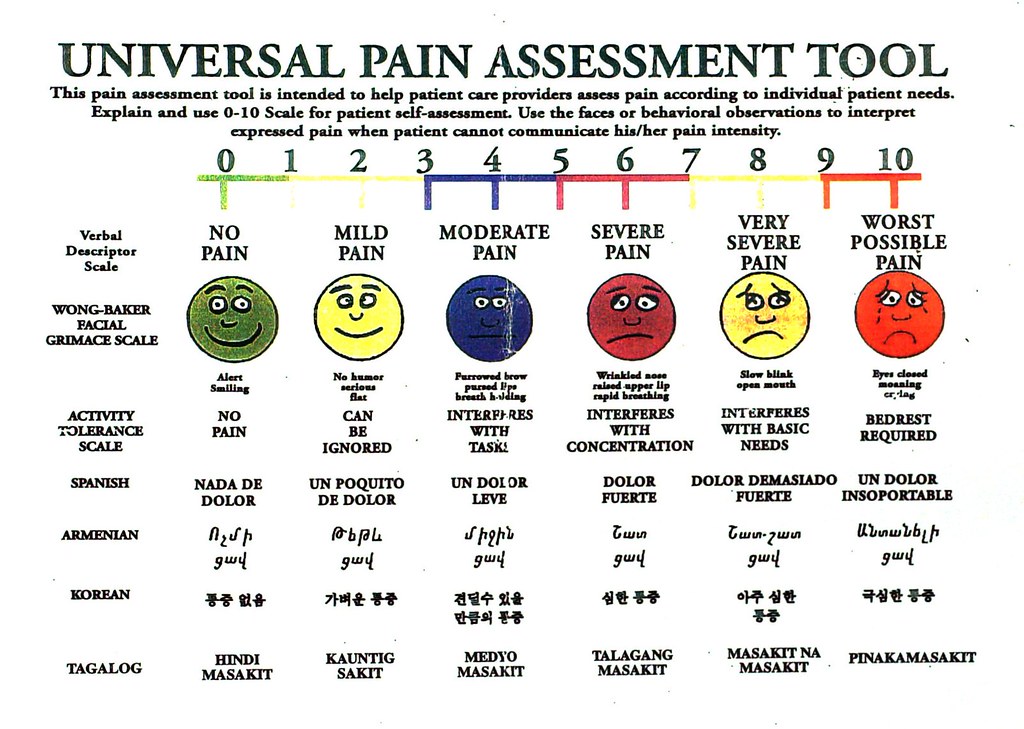
Free Printable Pain Scale Chart Templates Printable Download
Point to each face using the words to describe the pain intensity. 2 = hurts a little more. This figure has been reproduced with permission from the international association for the study of pain® (iasp®). It was adapted from the faces pain scale to make it possible to. Ask the child to choose face that best describes own pain and.
![[Get 42+] 38+ Faces Pain Scale Printable Background GIF](https://i2.wp.com/lh5.googleusercontent.com/proxy/KCSFZvA769hFgHcMJehdIcRYqPkJkrgiGsZaTGqn8fyeehtW4sNhFcsDlBeIDv3UhKxdeMXtPURewd2Z6dkaQF4zI11-XEhSjhvyHCp-EhN5UVcV5xzfu6t7ng=w1200-h630-p-k-no-nu)
[Get 42+] 38+ Faces Pain Scale Printable Background GIF
Face 4 hurts a little bit. Web the faces scale is widely used with people ages three and older, not limited to children. The scale shows a series of faces ranging from a happy face. Adults and children (> 3 years old) in all patient care settings. 3 = hurts even more.
Pain Faces Scale Printable - Point to the face that. 1 = hurts just a little bit. History of the faces scale. It was adapted from the faces pain scale to make it possible to. Web the faces scale is widely used with people ages three and older, not limited to children. Consists of six cartoon faces ranging from a smiling face for “no pain” to a tearful face for “worst pain”.
Point to each face using the words to describe the pain intensity. Web you can view the sample here or download the pdf version. This rating scale is recommended for children ages 3 and older. This figure has been reproduced with permission from the international association for the study of pain® (iasp®). 0 = very happy, no hurt.
Point To Each Face Using The Words To Describe The Pain Intensity.
Face 2 hurts a little more. Point to the face that. Web face] shows no pain. Web ask the person to choose the face that best describes how he is feeling.
3 = Hurts Even More.
0 = very happy, no hurt. Face 2 hurts just a little bit. 0=very happy, no hurt 1= hurts just a little bit 2=hurts a little more 3=hurts even more 4=hurts a whole. It was adapted from the faces pain scale to make it possible to.
History Of The Faces Scale.
Face o doesn't hurt at all. Uses a horizontal line, illustrated by facial expressions to represent different pain levels. This figure has been reproduced with permission from the international association for the study of pain® (iasp®). Rating scale is recommended for persons age 3 years and older.
Point To Each Face Using The Words To Describe.
Web you can view the sample here or download the pdf version. Web we have created a printable faces pain scale that can be used for children to help them identify and communicate the amount of pain that they are feeling. 1 = hurts just a little bit. This rating scale is recommended for children ages 3 and older.